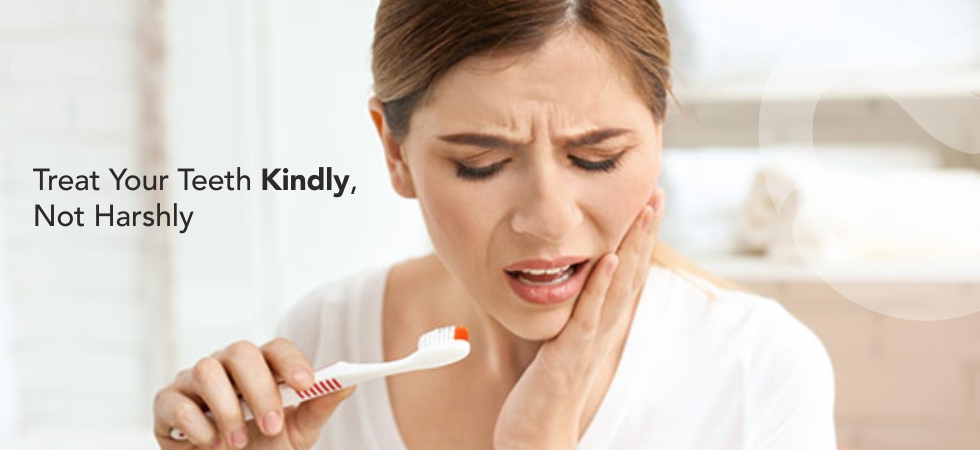
Search terms like can brushing too hard damage teeth, toothbrush damage to teeth, or tooth enamel erosion from brushing show up a lot, and usually the assumption is that the problem must be something unusual. Most people don’t think their daily brushing habit could be part of it. It feels too simple to go wrong. You brush, rinse, and move on.
But that’s exactly why it gets overlooked. When something is repeated every single day, even a small mistake doesn’t stay small. It builds. Slowly, quietly, without really announcing itself.
At first, it’s easy to ignore. A little sensitivity when drinking something cold. Maybe your gums feel slightly uncomfortable one day and fine the next. Nothing serious. Nothing that makes you stop and rethink your routine. So it continues the same way.
Over time, those small signs start connecting.
When Brushing Feels Right, But Is Not
There’s a common belief that brushing harder means better cleaning. It feels logical, especially if you’re trying to remove stains or feel like your teeth need a deeper clean.
The problem is, teeth don’t respond well to that kind of force. Repeated pressure leads to tooth enamel wear from brushing too hard, even if it doesn’t feel like much in the moment.
Enamel is not something that repairs itself once it wears down. That’s why the change is permanent, even if it happens slowly. Dentists often refer to this when they talk about the effects of overbrushing teeth, but it’s one of those things people tend to underestimate.
The Signs Are Subtle, Not Obvious
One of the reasons this goes unnoticed is that the signs are not dramatic. There’s no sudden damage that forces you to pay attention.
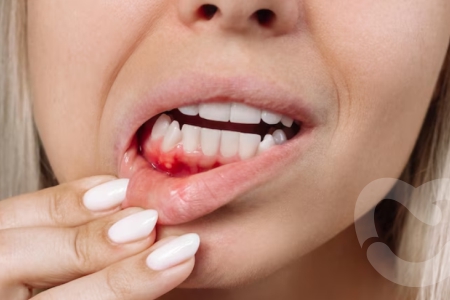
Instead, it’s gradual. Teeth are becoming a bit more sensitive than before. The surface feels slightly different. Gums reacting in small ways, maybe a bit sore, maybe looking slightly lower near the teeth.
These are often connected to gum recession from brushing too hard or early enamel wear. But since nothing feels urgent, it’s easy to overlook.
Most people only start questioning it when they notice repeated sensitivity and end up searching things like why do my teeth feel sensitive after brushing.
How Everyday Habits Make The Damage Worse
Brushing is not the only thing that can cause enamel wear or make the teeth sensitive. There are also many things you do during the day that you may not be aware of that can cause additional damage (without your knowledge) to the enamel on your teeth.
For example, drinking beverages such as tea, coffee, and soda can soften your enamel slightly; this is only a temporary effect, however.
When brushing happens right after you drink a beverage, especially if you use force in brushing, then the chances of your teeth losing enamel due to brushing are increased.
When to brush is usually more important than what to brush. There are also things like frequent snacking or using too abrasive a toothpaste that can contribute to your teeth becoming worn or sensitive. It's not that you should eliminate everything, but simply be mindful.
You can lessen the impact on your teeth by waiting a bit after eating before brushing and using less abrasive toothpaste products. By combining these minor changes with gentle brushing, you can provide additional long-term protection to your teeth without having to make drastic changes to your daily routine.
The Toothbrush Itself Is Not Always Harmless
It’s easy to assume any toothbrush will do the job the same way. But the type of brush makes a difference over time.
Hard bristle brushes, for example, can feel more effective. There’s a sense that they clean better. But that same firmness can be rough on both enamel and gums.
That’s why a soft-bristle toothbrush for sensitive teeth is usually recommended. It might not feel as aggressive, but it does the job without causing unnecessary friction.
For some people, switching to an electric toothbrush helps as well, especially if they tend to apply more pressure without realizing it.
The Way You Brush Matters More Than How Often
Most people focus on brushing twice a day, which is fine. But the technique often stays the same for years without much thought.
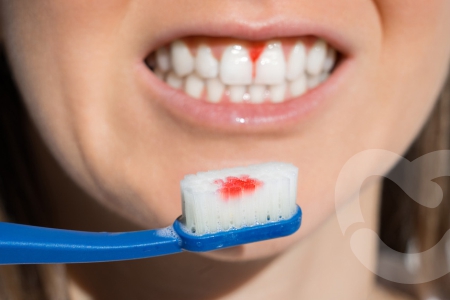
Quick back-and-forth movements are common. They feel efficient. But over time, they can contribute to tooth damage from brushing too hard.
A gentler, slower approach works better. Small circular motions, less force, a bit more control. It doesn’t feel dramatically different right away, but it protects the teeth in the long run.
Why Sensitivity Feels Sudden Even When It Is Not
Tooth sensitivity generally doesn't happen all of a sudden; it usually develops over time. Enamel gets thinner over time and loses protection. As the enamel thins, tooth sensitivity increases and is less noticeable until it reaches a certain level.
As sensitivity increases and people begin to notice it, they may start asking questions about what causes tooth sensitivity after brushing or ways of reducing tooth sensitivity naturally.
The discomfort associated with tooth sensitivity is often sudden, but the reason is usually a gradual buildup of small issues that have created the tooth sensitivity.
This is why it is important to recognize early symptoms of tooth sensitivity, even though they may seem insignificant. By addressing these problems at an early stage, such as by reducing pressure while brushing or switching to a softer-bristle toothbrush for sensitive teeth, you can often help alleviate the symptoms of tooth sensitivity and prevent them from worsening.
If a person continues to experience increased tooth sensitivity, it may become harder to ignore and could require more treatment than just modifying habits.
Gums Usually React First
Gums tend to show the effects earlier than teeth. They are softer and more sensitive, so they respond faster to pressure.
When brushing is too harsh, gums may slowly start to recede. At first, it’s barely noticeable. Then it becomes clearer over time.
This is when people start wondering things like, " Why are my gums shrinking or how to prevent gum recession naturally. In many cases, the answer is not complicated. It comes back to brushing habits.
Small Adjustments That Actually Help
The good part is that fixing this doesn’t require anything complicated. It’s usually small changes.
Switching to a softer toothbrush helps. Reducing pressure makes a difference. Even holding the brush more lightly can change how much force is applied without needing to think about it constantly.
Brushing for about two minutes is enough. More than that doesn’t improve cleaning. It just increases wear over time.
These changes may seem minor, but they are often enough to prevent most issues related to brushing.
What Happens If Nothing Changes
If brushing habits stay the same, the effects continue slowly. Sensitivity may become more frequent. Gums may recede further. Enamel may wear down more.
At some point, it becomes noticeable enough that it can’t be ignored. And by then, it may take more than just changing the brushing technique to fix it.
That’s why early awareness matters.
When Is It Better To Get It Checked
If something feels off consistently, it’s better to get it checked instead of trying to figure it out alone.
At OneDentall, these kinds of concerns are often linked back to brushing habits. In many cases, the solution is simple. Just a small adjustment in technique or the type of brush being used.
Catching it early usually prevents bigger issues later.
Why Is This Easy To Ignore
Brushing feels routine. It’s not something people question often. And since the effects are gradual, there’s no clear moment where it feels like something went wrong.
By the time the signs become obvious, the habit has already been repeated for a long time. That’s why small awareness makes a difference. Not overthinking, just being slightly mindful.
A Simple Routine That Helps Prevent Damage
One of the best ways to safely maintain your brushing routine is to keep it simple day-to-day. You do not need a lot of complicated routines or products when brushing your teeth. A basic brushing routine that you are doing correctly is usually enough.
Brushing with a gentle circular motion using a soft-bristle toothbrush for approximately two minutes provides an excellent balance for your mouth. It is also best not to brush your teeth right after eating or drinking acidic foods or beverages, as it can take time for the enamel on your teeth (the outer layer of protection) to harden back up.
It is good practice to give time for the enamel to harden before brushing it off again. Also, always remember to change out your toothbrush on a regular basis (every three months) and look for small signs (like sensitivity) on your gums and teeth to determine whether you need to change it sooner than every three months.
These steps seem quite simple when done on an ongoing basis, but they are all designed to help with protecting your teeth from toothbrush damage and maintaining your oral care in a non-confusing and non-traumatic way.
A Simple Way To Look At It
Brushing is meant to protect your teeth, not slowly wear them down.
It’s not about doing more. It’s about doing it in a way that doesn’t create problems later. A softer approach, the right toothbrush, and consistent habits usually take care of most things.
Contact OneDentall to get a better understanding on how you can care for your dental health and oral hygiene better.
FAQs
1 Can brushing too hard damage your teeth?
Yes, brushing with too much pressure can wear down enamel over time and irritate the gums. A gentler technique is safer and more effective.
2 What is the best toothbrush for sensitive teeth?
A soft-bristle toothbrush is usually recommended because it cleans properly without causing extra friction or discomfort.
3 How do I know if I am over-brushing?
Signs include sensitivity, sore gums, and slight changes in tooth edges. These usually indicate that brushing pressure needs to be reduced.
4 How often should I change my toothbrush?
It is generally recommended to replace your toothbrush every three months or sooner if the bristles are worn out.
5 Can dentists help correct brushing habits?
Yes, dentists can identify early signs of damage and guide you on better brushing techniques to prevent long term issues.