Navigating the world of dental care can feel overwhelming, especially when faced with specific issues like stained teeth or cracked molars. Whether you're seeking the expertise of an endodontist to tackle complex root canal procedures or a pediatric dentist to ensure your child’s dental health, making the right choice is crucial.
This guide will illuminate the various dental specialists available, offering insights into effective treatments tailored to your needs. Learn how to find the best care for your family while understanding the importance of specialized treatment options. Don’t let dental issues hold you back; let’s explore how you can achieve a healthier, brighter smile with the help of skilled professionals.
Understanding the Role of Endodontists
An endodontist is a dental specialist focused on diagnosing and treating issues within the tooth's interior, specifically the pulp and root canal. These professionals undergo additional training beyond general dentistry, equipping them to handle complex cases involving tooth pain and infection. If you're experiencing severe toothache, sensitivity to hot or cold, swelling, or other symptoms related to the tooth's inner structures, an endodontist is likely the specialist you need to see.
Endodontists are particularly skilled in performing root canal therapy, a procedure designed to save teeth that might otherwise need to be extracted. During this treatment, the endodontist removes the infected or damaged pulp, cleans and shapes the root canal, and then fills and seals the space. This meticulous process alleviates pain and prevents further infection, ultimately preserving your natural tooth. Their expertise ensures that the procedure is performed with high precision, often using advanced technology like digital imaging and microscopes.
In addition to root canals, endodontists also handle other procedures such as endodontic retreatment, surgery, treating dental trauma, and addressing issues related to cracked teeth. Their specialized knowledge and skills make them the go-to professionals for managing complex dental problems that involve the tooth's inner structures. By seeking the care of an endodontist, you can ensure that your dental issues are addressed with the highest level of expertise and care.
When to See a Pediatric Dentist
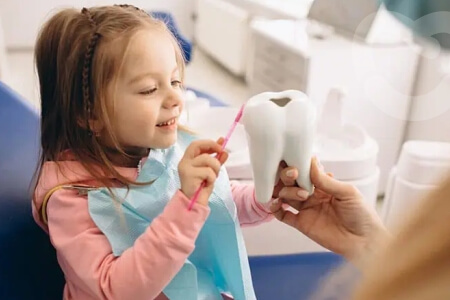
Pediatric dentists specialize in the dental care of children from infancy through adolescence. Their training includes child psychology, growth and development, and the unique needs of young patients. If you have children, it's essential to take them to a pediatric dentist who understands how to make dental visits a positive experience. This expertise helps in managing children's behavior during exams and treatments, reducing their anxiety, and fostering a lifelong commitment to oral health.
One of the primary reasons to visit a pediatric dentist is to establish a dental home for your child early on. The American Academy of Pediatric Dentistry recommends that children see a dentist by their first birthday or within six months of the eruption of their first tooth. Early dental visits help in monitoring the development of your child's teeth and gums, providing preventive care, and educating parents on proper oral hygiene practices for their little ones.
Pediatric dentists are also adept at addressing common childhood dental issues such as cavities, tooth decay, and gum disease. They can offer preventive treatments like fluoride applications and dental sealants to protect against cavities.
Additionally, they are skilled in managing dental injuries that children might encounter during play or sports, ensuring that any trauma to the teeth is promptly and effectively treated. By choosing a pediatric dentist, you're ensuring that your child receives specialized care tailored to their unique needs, laying the foundation for a lifetime of healthy smiles.
Hear directly from our happy patients and learn why we're their trusted dental care partner.
Common Dental Issues: Stained Teeth and Cracked Molars
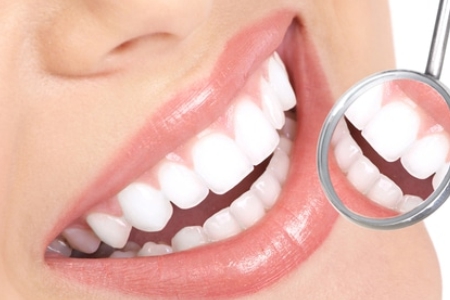
Stained teeth are a common concern for many people and can result from various factors such as the consumption of certain foods and beverages, tobacco use, poor dental hygiene, or the natural aging process. Stains can be extrinsic, affecting the surface of the teeth, or intrinsic, involving the inner structure of the tooth. Extrinsic stains are often caused by colored compounds in foods and drinks like coffee, tea, red wine, and berries. Smoking or chewing tobacco can also lead to stubborn stains on the tooth surface. Intrinsic stains, on the other hand, may occur due to trauma, certain medications, or excessive fluoride exposure during tooth development.
Cracked molars are another prevalent dental issue that can arise from various causes, such as biting down on hard objects, teeth grinding (bruxism), or trauma to the mouth. Cracks can range from minor, affecting only the enamel, to more severe cases where the crack extends into the tooth's pulp or root.
Symptoms of a cracked molar can include pain when chewing, sensitivity to temperature changes, and swelling of the gum around the affected tooth. Ignoring a cracked molar can lead to further complications, including infection and tooth loss.
Addressing these common dental issues promptly is essential for maintaining good oral health and preventing more severe problems down the line. Regular dental checkups and cleanings can help identify and treat stains and cracks early, ensuring that your smile remains healthy and attractive. If you notice any discoloration or damage to your teeth, it's important to consult with your dentist to determine the best course of action and prevent further deterioration.
Treatment Options for Stained Teeth
Treating stained teeth effectively requires identifying the type and cause of the stains. For extrinsic stains, professional dental cleanings and whitening treatments are often the most effective solutions.
During a professional cleaning, your dentist or dental hygienist will use specialized tools to remove plaque and tartar buildup, which can contribute to surface staining. For more stubborn stains, professional whitening treatments, such as in-office bleaching or take-home whitening kits, can significantly lighten the color of your teeth. These treatments use bleaching agents like hydrogen peroxide or carbamide peroxide to break down stains and brighten your smile.
Intrinsic stains, which affect the inner structure of the tooth, may require more advanced treatments. One common method is the use of veneers, which are thin shells of porcelain or composite resin that are custom-made to fit over the front surface of the teeth.
Veneers can effectively mask intrinsic stains and provide a uniform, natural-looking appearance. Another option for severe intrinsic stains is dental bonding, where a tooth-colored resin is applied and shaped to cover the stained areas.
It's important to note that maintaining good oral hygiene practices is crucial for preventing future staining. Brushing your teeth at least twice a day with fluoride toothpaste, flossing daily, and limiting the consumption of stain-causing foods and beverages can help keep your smile bright.
Additionally, regular dental checkups and cleanings are essential for removing plaque and tartar buildup that can contribute to staining. By combining professional treatments with good oral care habits, you can achieve and maintain a whiter, healthier smile.
Curious about treatment outcomes? Explore our gallery to view stunning smile makeovers.
Effective Solutions for Cracked Molars
Treating a cracked molar depends on the severity and location of the crack. For minor cracks that affect only the enamel, your dentist may recommend smoothing and polishing the tooth to prevent further damage. If the crack extends into the dentin (the layer beneath the enamel), a filling or bonding material can be used to restore the tooth's structure and prevent bacteria from entering the crack and causing decay.
For more severe cracks that extend into the pulp (the tooth's innermost layer), a root canal treatment may be necessary. During a root canal, the endodontist removes the damaged pulp, cleans and shapes the root canal, and fills and seals the space. This procedure helps save the tooth by eliminating infection and preventing further damage. After the root canal, the tooth is usually restored with a crown to protect it and restore its function.
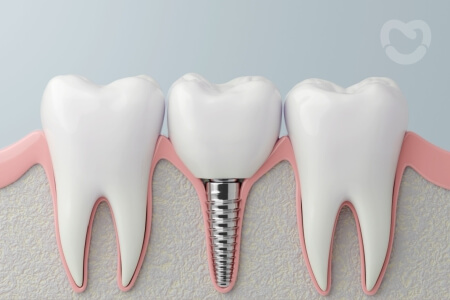
In cases where the crack extends below the gum line or the tooth is severely damaged, extraction may be the only viable option. If a tooth is extracted, it can be replaced with a dental implant, bridge, or denture to restore function and appearance.
Dental implants are a popular choice for replacing missing teeth because they provide a stable, long-lasting solution that closely mimics the look and feel of natural teeth.
Preventing cracked molars involves avoiding habits that can damage your teeth, such as chewing on hard objects, using your teeth as tools, and grinding or clenching your teeth. If you grind your teeth at night, your dentist may recommend wearing a nightguard to protect your teeth from damage.
Regular dental checkups are also important for identifying and addressing any issues with your teeth before they become severe. By taking preventive measures and seeking prompt treatment for any cracks, you can maintain the health and integrity of your teeth.
The Importance of Regular Dental Checkups
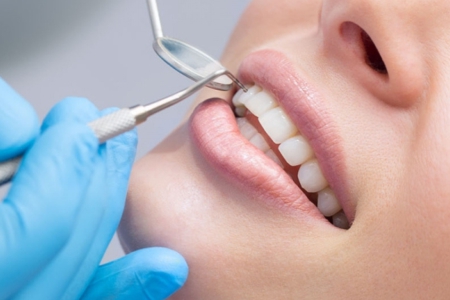
Regular dental checkups are a cornerstone of good oral health, providing an opportunity for early detection and treatment of dental issues before they become more serious. During a routine checkup, your dentist will perform a thorough examination of your teeth, gums, and mouth, looking for signs of decay, gum disease, oral cancer, and other conditions. This comprehensive evaluation helps identify problems in their early stages when they are most easily treated.
Professional cleanings are an essential part of regular dental checkups. Even with diligent brushing and flossing, plaque and tartar can build up in hard-to-reach areas of the mouth. During a cleaning, a dental hygienist will use specialized tools to remove plaque and tartar, helping to prevent cavities, gum disease, and other oral health issues. Cleanings also help keep your teeth looking their best by removing surface stains and polishing your teeth.
Regular dental visits also provide an opportunity for your dentist to offer personalized advice on oral hygiene practices, dietary choices, and other factors that can impact your dental health. Your dentist can recommend products and techniques to help you maintain a healthy smile and address any concerns you may have. By making regular dental checkups a priority, you can ensure that your teeth and gums remain healthy and strong, reducing the risk of more serious problems and the need for extensive treatments down the line.
How to Choose the Right Dentist for Your Needs
Choosing the right dentist is essential for maintaining good oral health and ensuring that you receive the best possible care. When selecting a dentist, consider factors such as their qualifications, experience, and the range of services they offer. Look for a dentist who is licensed and has completed the necessary training and education to provide high-quality care. It's also important to choose a dentist who stays up-to-date with the latest advancements in dental technology and techniques through continuing education.
Another important consideration is the dentist's approach to patient care. Look for a dentist who takes the time to listen to your concerns, explains treatment options clearly, and provides personalized care tailored to your needs. Reading reviews and seeking recommendations from friends, family, or healthcare professionals can help you find a dentist with a good reputation for providing compassionate and effective care.
Convenience and accessibility are also important factors to consider when choosing a dentist. Look for a dental practice that is conveniently located and offers flexible appointment times to accommodate your schedule.
Additionally, consider whether the practice accepts your dental insurance and offers payment plans or financing options if needed. By taking the time to research and choose the right dentist for your needs, you can ensure that you receive the best possible care and maintain a healthy, beautiful smile.
Let’s make your smile healthier and brighter. Get in touch with our team now.
Dental Care for Children: Tips and Best Practices
Establishing good dental care habits early in life is essential for ensuring that children maintain healthy teeth and gums as they grow. Start by taking your child to the dentist by their first birthday or within six months of the eruption of their first tooth. Early dental visits help monitor the development of your child's teeth and gums, provide preventive care, and educate parents on proper oral hygiene practices for their little ones.
Encouraging good oral hygiene habits at home is crucial for maintaining your child's dental health. Teach your child to brush their teeth at least twice a day with fluoride toothpaste and to floss daily. Supervise young children while they brush to ensure they are using the correct technique and not swallowing toothpaste. Make brushing and flossing a fun and positive experience by using colorful toothbrushes, flavored toothpaste, and engaging in the routine together as a family.
In addition to proper oral hygiene, a healthy diet plays a significant role in maintaining your child's dental health. Limit sugary snacks and drinks, which can contribute to tooth decay, and encourage your child to eat a balanced diet rich in fruits, vegetables, whole grains, and dairy products. Regular dental checkups and cleanings are also essential for preventing cavities and other dental issues. By following these tips and best practices, you can help your child develop healthy dental habits that will last a lifetime.
The Connection Between Oral Health and Overall Well-being
Oral health is closely linked to overall well-being, and maintaining a healthy mouth is essential for maintaining good general health. Poor oral health can contribute to a range of systemic health issues, including cardiovascular disease, diabetes, respiratory infections, and adverse pregnancy outcomes. Bacteria from the mouth can enter the bloodstream and spread to other parts of the body, leading to inflammation and infection.
Gum disease, in particular, has been linked to an increased risk of heart disease and stroke. Inflammation caused by gum disease can contribute to the buildup of plaque in the arteries, leading to atherosclerosis and increasing the risk of cardiovascular events. Additionally, people with diabetes are more susceptible to gum disease, and managing oral health is crucial for controlling blood sugar levels and preventing complications.
Maintaining good oral health is also important for mental and emotional well-being. Dental problems such as tooth decay, gum disease, and tooth loss can affect self-esteem and confidence, leading to social anxiety and reduced quality of life. Regular dental checkups, proper oral hygiene, and a healthy lifestyle are essential for preventing dental issues and promoting overall health. By prioritizing your oral health, you can improve your overall well-being and enjoy a healthier, happier life.
Conclusion: Prioritizing Your Dental Health
Finding the right dental care is essential for maintaining good oral health and ensuring that you receive the best possible treatment for your specific needs. Whether you're seeking the expertise of an endodontist for complex root canal procedures, a pediatric dentist for your child's dental care, or effective treatments for stained teeth and cracked molars, it's important to choose the right specialist and take a proactive approach to your dental health.
Regular dental checkups, proper oral hygiene, and a healthy diet are key components of maintaining a healthy smile. By addressing dental issues promptly and seeking specialized care when needed, you can prevent more serious problems and enjoy the benefits of good oral health. Remember that your oral health is closely linked to your overall well-being, and taking care of your teeth and gums is an important part of maintaining a healthy, happy life.
By following the tips and best practices outlined in this guide, you can navigate the world of dental care with confidence and ensure that you and your family receive the highest level of care. Don't let dental issues hold you back. Prioritize your dental health and take the necessary steps to achieve a healthier, brighter smile with the help of skilled professionals.
Discover the passion and purpose behind OneDental. Learn more about our journey and philosophy.